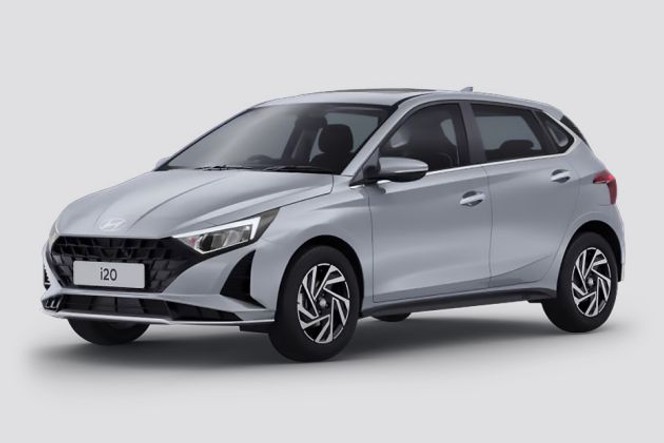
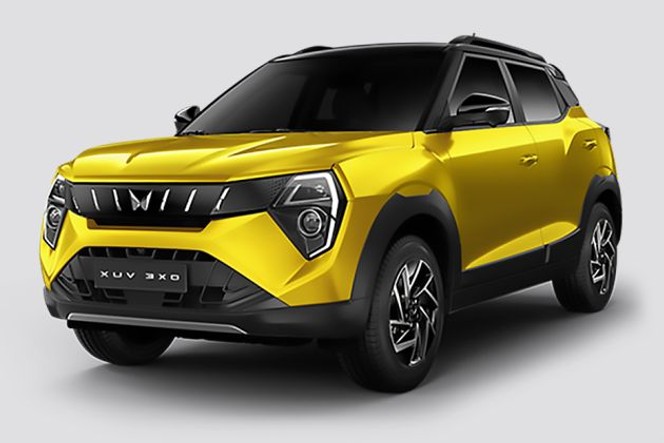
Hyundai i20vsMahindra XUV 3XO
Detailed side-by-side comparison of Hyundai i20 and Mahindra XUV 3XO including price, specifications, mileage, safety features and more.
Quick Verdict
Hyundai i20 vs Mahindra XUV 3XO — Specifications
| Price & Overview | ||
| ₹6.87 Lakh - ₹10.44 Lakh | Price (Ex-Showroom) | ₹7.28 Lakh - ₹14.40 Lakh |
| Hatchback | Body Type | SUV |
| 5 Seats | Seating | 5 Seats |
| Petrol | Fuel Types | Petrol, Electric, Diesel |
| Manual, Automatic | Transmission | Manual, Automatic |
| 15 | Variants | 29 |
| Engine & Performance | ||
| 1197 cc | Engine | 1197 cc |
| 87 bhp | Max Power | 129 bhp |
| 115 Nm | Max Torque | 230 Nm |
| 20 kmpl | Mileage (ARAI) | 18.2 kmpl |
| 160 kmph | Top Speed | 150 kmph |
| 37 L | Fuel Tank | 42 L |
| FWD | Drive Type | FWD |
| Dimensions | ||
| 3995 mm | Length | 3990 mm |
| 1775 mm | Width | 1821 mm |
| 1505 mm | Height | 1647 mm |
| 2580 mm | Wheelbase | 2600 mm |
| - | Ground Clearance | - |
| 311 L | Boot Space | 364 L |
| Safety | ||
| 6 | Airbags | 6 |
| - | NCAP Rating | 5 Star (GNCAP) |
Variant-wise Comparison
The Hyundai i20 is available in 15 variants (₹6.87 Lakh — ₹10.44 Lakh), while the Mahindra XUV 3XO has 29 variants (₹7.28 Lakh — ₹14.40 Lakh). Select specific variants below to compare detailed specifications, features and pricing.
| ₹6.87 Lakh | Ex-Showroom | ₹7.28 Lakh |
| ₹41,000 cheaper | Price Difference | - |
| On-Road Prices | ||
| ₹8.11 Lakh | Bangalore | ₹8.59 Lakh |
| ₹7.97 Lakh | Chennai | ₹8.44 Lakh |
| ₹7.69 Lakh | Delhi | ₹8.15 Lakh |
| ₹7.83 Lakh | Hyderabad | ₹8.30 Lakh |
| ₹7.90 Lakh | Mumbai | ₹8.37 Lakh |
Related Comparisons
Hyundai i20 vs Mahindra XUV 3XO — FAQ
Which is better, Hyundai i20 or Mahindra XUV 3XO?▼
Both the Hyundai i20 and Mahindra XUV 3XO are strong choices in the Hatchback segment. The Hyundai i20 is priced from ₹6.87 Lakh while the Mahindra XUV 3XO starts at ₹7.28 Lakh. The Hyundai i20 is the more affordable option. Compare the detailed specifications above to decide which suits your needs best.
Hyundai i20 vs Mahindra XUV 3XO — which is cheaper?▼
The Hyundai i20 is cheaper, starting at ₹6.87 Lakh (ex-showroom). The price difference between the base variants is approximately ₹41,000.
Hyundai i20 vs Mahindra XUV 3XO — which has better mileage?▼
The Hyundai i20 offers 20 kmpl while the Mahindra XUV 3XO offers 18.2 kmpl (ARAI certified). The Hyundai i20 is more fuel efficient.
Hyundai i20 vs Mahindra XUV 3XO — which is more powerful?▼
The Hyundai i20 produces 87 bhp of maximum power, while the Mahindra XUV 3XO produces 129 bhp. The Mahindra XUV 3XO is the more powerful car.
Which car is safer, Hyundai i20 or Mahindra XUV 3XO?▼
The Hyundai i20 comes with 6 airbags, while the Mahindra XUV 3XO has 6 airbags and a 5-star GNCAP safety rating. Both cars offer comparable safety equipment.
Hyundai i20 vs Mahindra XUV 3XO — which has more boot space?▼
The Hyundai i20 offers 311 litres of boot space, while the Mahindra XUV 3XO offers 364 litres. The Mahindra XUV 3XO has the larger boot.
How many variants are available for Hyundai i20 and Mahindra XUV 3XO?▼
The Hyundai i20 is available in 15 variants, while the Mahindra XUV 3XO comes in 29 variants. Both are available in Petrol and Petrol, Electric, Diesel fuel options respectively.
Hyundai i20 vs Mahindra XUV 3XO — dimensions comparison?▼
The Hyundai i20 measures 3995 mm (L) x 1775 mm (W) x 1505 mm (H) with a 2580 mm wheelbase. The Mahindra XUV 3XO measures 3990 mm (L) x 1821 mm (W) x 1647 mm (H) with a 2600 mm wheelbase.
Can I compare specific variants of Hyundai i20 and Mahindra XUV 3XO?▼
Yes! Use the variant selector above to compare any specific variant of Hyundai i20 (15 variants) with any variant of Mahindra XUV 3XO (29 variants). The comparison covers price, engine, mileage, comfort features, safety equipment, infotainment and more.
Which is the best value variant — Hyundai i20 or Mahindra XUV 3XO?▼
The base variant of Hyundai i20 (Magna Executive) starts at ₹6.87 Lakh, while the Mahindra XUV 3XO base variant (MX1) starts at ₹7.28 Lakh. Use the variant-wise comparison tool above to compare features at each price point.